


Coppola & Toppo
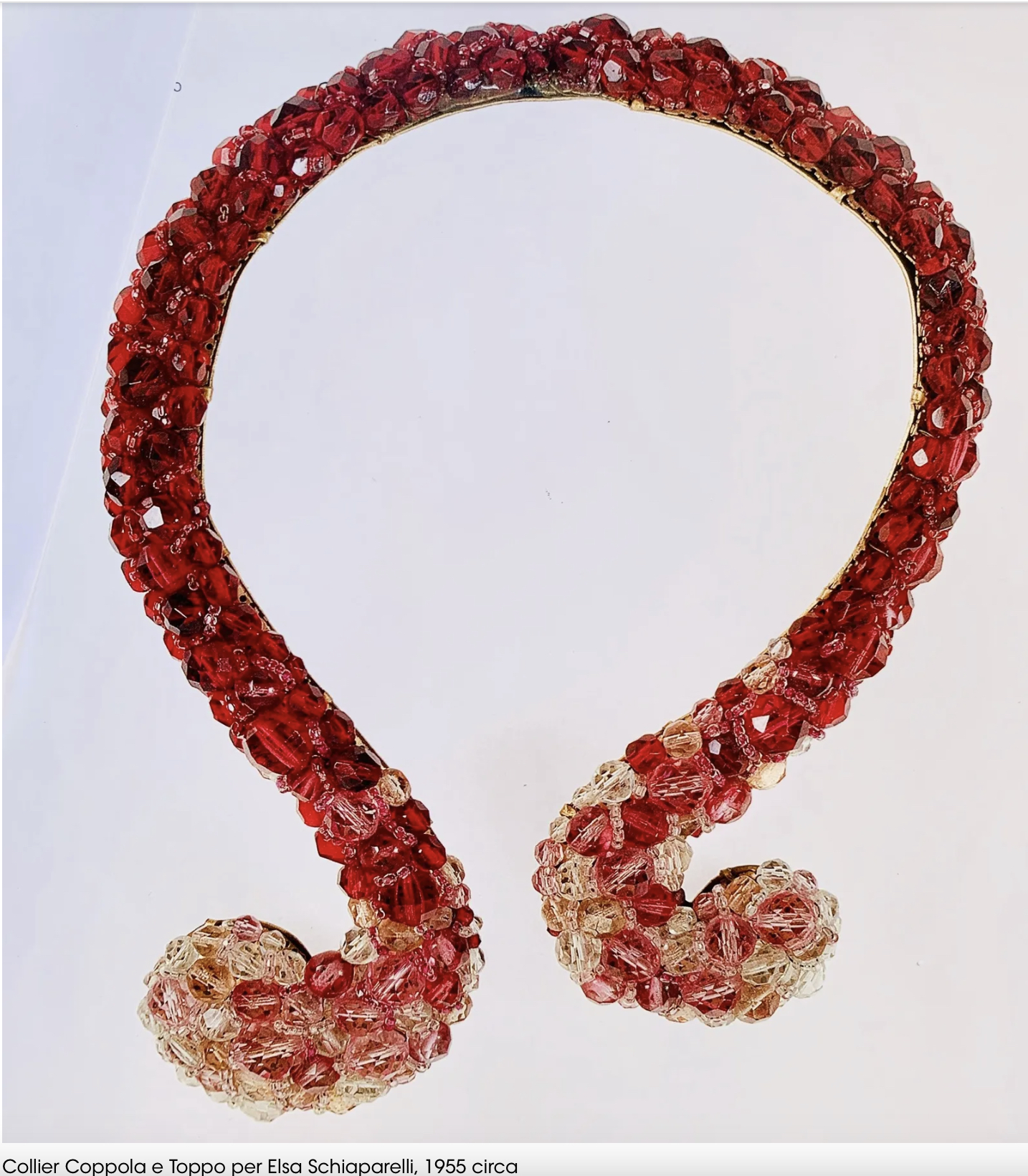
Lyda Coppola, later known as Lyda Coppola Toppo, was born in Venice and co-founded the couture jewelry brand Coppola & Toppo with her brother in 1948. She had studied at the Academy of Fine Arts in Venice and honed her craft in the workshop of renowned jewelry designer Ada Politzer. With a Jewish mother from Trieste and a Neapolitan father, Lyda brought a unique perspective to her designs, blending materials from across Italy, such as Murano glass and coral from Torre del Greco, in innovative ways.
After World War II, as the world sought beauty and renewal, Lyda’s distinctive jewelry captured the zeitgeist with its modern, elegant, and unconventional appeal. Beyond jewelry, Coppola & Toppo expanded to create accessories like shoes, scarves, bags, belts, and foulards. These creations quickly gained attention from elite Italian tailors and leading French designers. Early clients included luminaries of haute couture such as Elsa Schiaparelli, Jacques Fath, Edward Molyneaux, Robert Piquet, Pierre Balmain, Jeanne Lanvin, Nina Ricci, Cristobal Balenciaga, and Jacques Heim. Coppola & Toppo’s accessories became the perfect finishing touches for couture ensembles, playing a key role in defining the aesthetic of French fashion in the 1940s.
In the 1950s, production for Coppola & Toppo moved to the United States, though the brand retained its distinctly Italian identity. The dazzling use of shapes and colors, crafted with crystals set on invisible metal frameworks, appealed perfectly to American tastes. Prestigious publications like Vogue, Harper’s Bazaar, Women’s Wear Daily, and The New York Times embraced the designer from across the Atlantic, cementing her reputation not only in the fashion world but also in cinema and entertainment. Coppola & Toppo’s jewelry captivated global icons such as Maria Callas, Jackie Kennedy, and Marilyn Monroe.
Over time, Italian designers also began collaborating with Coppola & Toppo to produce custom bijoux. Designers such as Capucci, Krizia, Pucci, Lancetti, Enzo Fontana, and Valentino trusted the maison with their creations. Valentino, in particular, became a key client, driving innovative experimentation and encouraging the incorporation of new materials, including metal and plastic, into their designs.
The jewels of Coppola & Toppo encapsulate the essence of Italian fashion, a testament to Lyda Coppola’s extraordinary aesthetic vision, intuition, and unique ability to reimagine materials in groundbreaking ways. Her meticulous attention to detail ensured each piece was carefully crafted for balance, texture, and visual impact—whether creating intricate lace-like designs or cascading effects. Her fearless, imaginative approach to design, rooted in craftsmanship and personality, helped shape the identity of Italian fashion. Lyda became a true ambassador of this bold and expressive style.
Following her passing in 1986, the maison ceased its activities, leaving behind a legacy of elegance and Italian craftsmanship. Today, Coppola & Toppo’s jewelry and accessories are prized by vintage collectors. Owning a Coppola & Toppo piece is more than a nod to Italian fashion history; it’s a celebration of artistry, individuality, and impeccable taste.

Original price was: 195,00 €.175,00 €Current price is: 175,00 €.
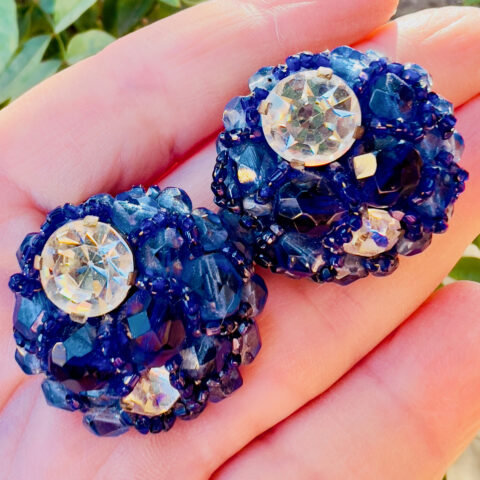
Coppola & Toppo 1960s Blue Earrings, with rhinestones and glass beads.

Original price was: 175,00 €.160,00 €Current price is: 160,00 €.
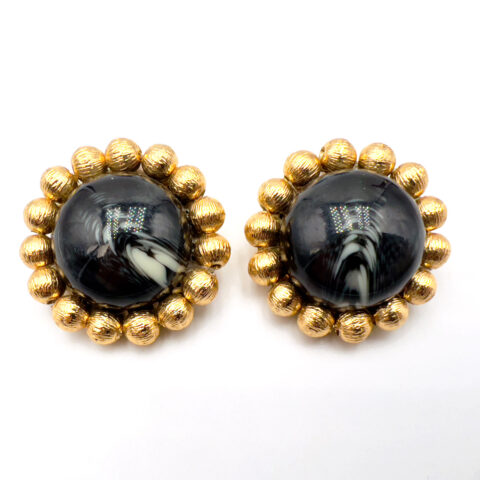
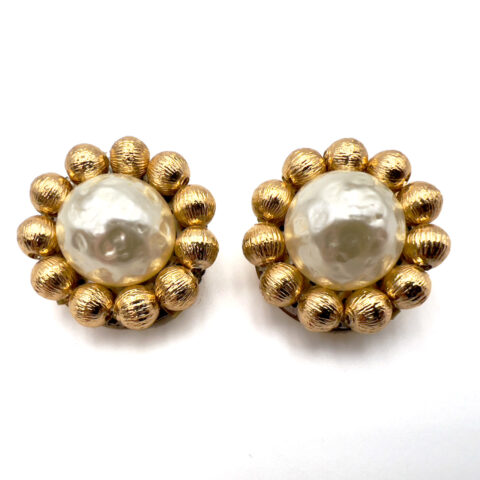
Coppola & Toppo 1960s Earrings, Black and Gold
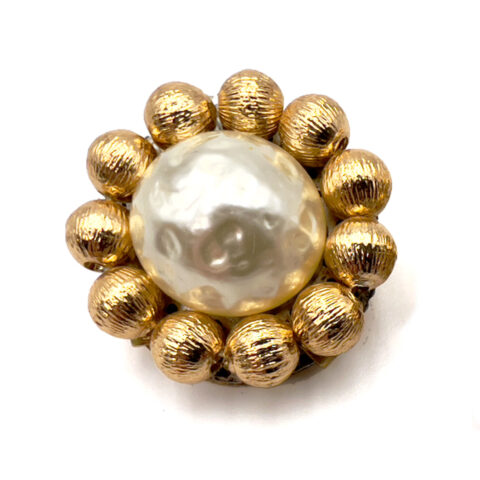
Original price was: 175,00 €.160,00 €Current price is: 160,00 €.